Solar Panel Installation
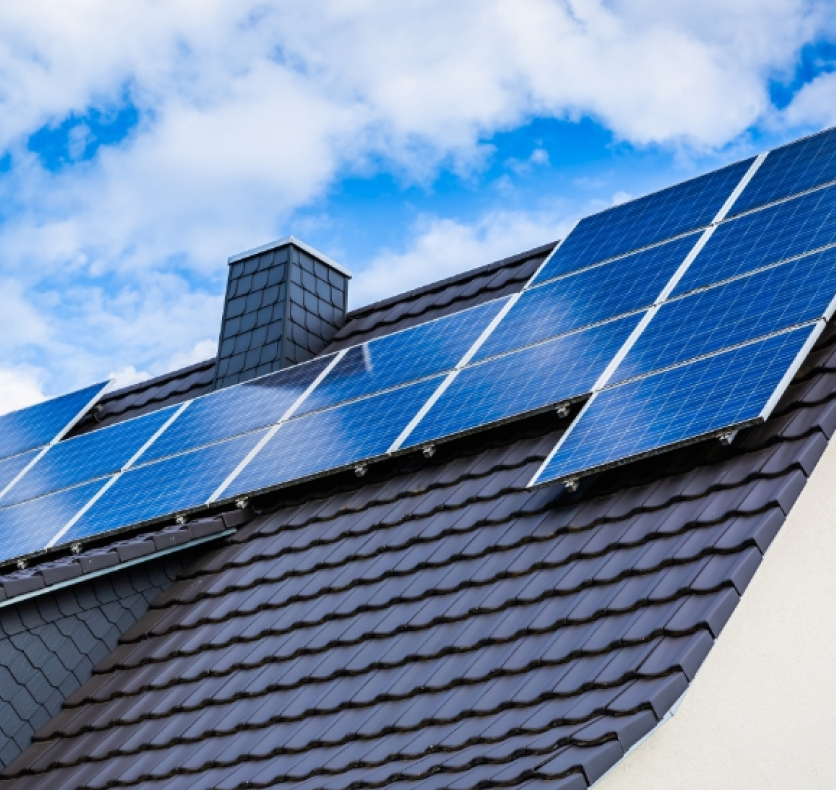
Bennett Solar provides specialist solar panel services for homeowners and businesses looking to take advantage of renewable energy solutions. From solar panel installation to site visits and bespoke designs, we oversee your entire project.
Domestic Solar Panel Installation
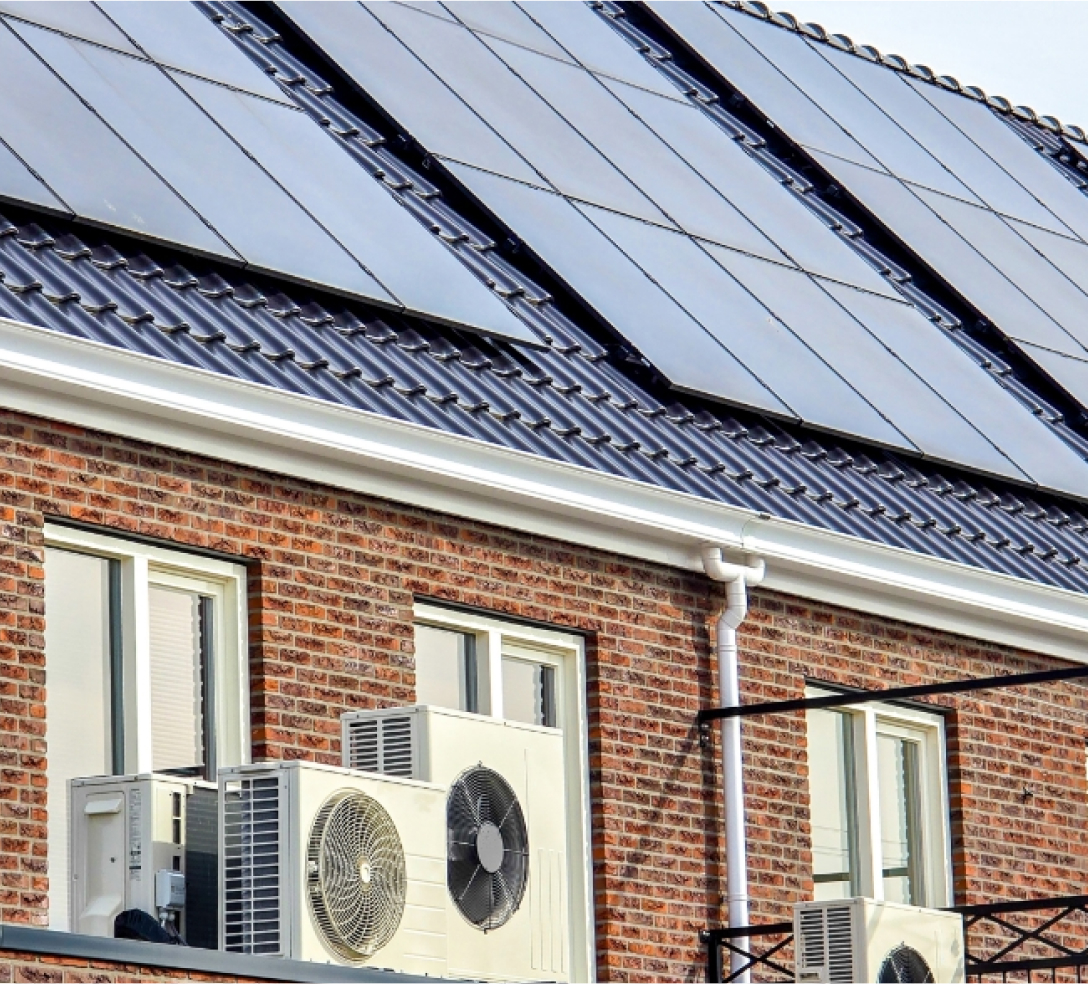
No matter the size of your home, solar panels can make your energy use more efficient.
By installing solar panels, you’re able to track and better manage your energy use, and create a backup power source to leave you less reliant on the grid. This ultimately reduces your energy bills with minimal disruption to your daily life.
Commercial Solar Panel Installation
Please contact our sister company, Bennett Electrical, for any commercial solar panel enquiries.
Businesses looking to increase their energy efficiency, save on costs, and reduce their carbon footprints can benefit greatly from solar panels; they’re a cost-effective, long-term solution. Solar panels also contribute to your sustainability mission by reducing your impact on the planet.
Typical Installation Process
Step 1
Measure your roof’s orientation, inclination, and shade coverage
Step 2
Provide an estimate of the PV system output based on the above geographical factors
Step 3
Provide an estimate of the money you are likely to earn/save
Step 4
Assess your roof’s ability to bear the weight of a PV installation
Step 5
Check your property’s electrical specifications (fuse box, metering etc.)
Step 6
Ascertain your current energy consumption/needs (based partly on your property’s EPC rating if you have one)
Step 1
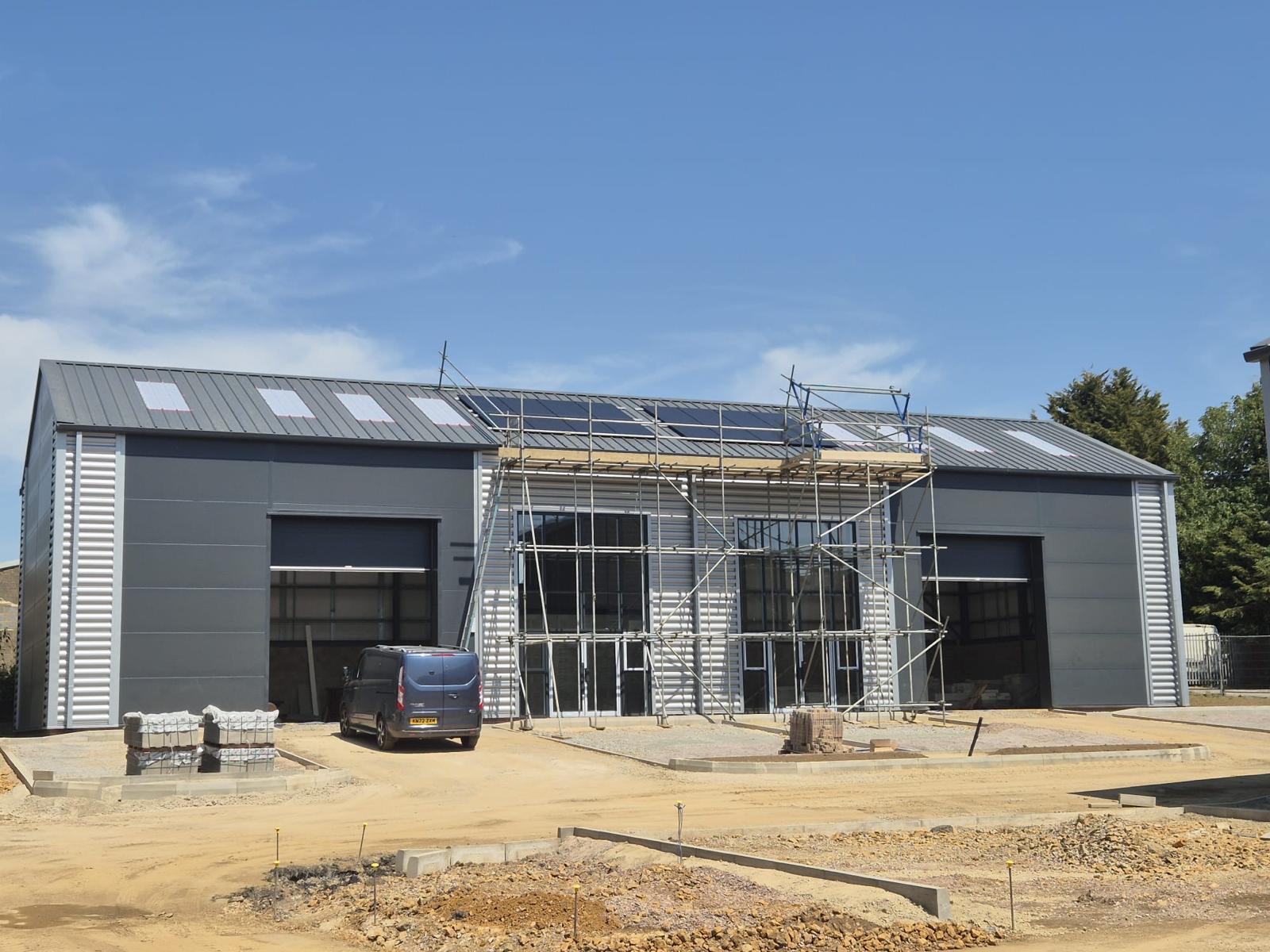
Put up scaffolding for roof access
This may not be necessary if your property has only one storey.
Step 2
Attach roof hooks to rafters
Roof tiles/slates will need to be removed in order to screw the hooks for the frame into your roof rafters. The tiles/slates will be replaced once this is complete, maintaining the integrity of your roof.
Step 3
Fix frame to hooks
The rails that comprise the mounting frame are attached to the roof hooks and bolted together.
Step 4
Mount PV panels onto frame
The panels containing photovoltaic cells are mounted onto the roof frame with the use of clamps.
Step 5
Connect panels to inverter
The solar panels' DC output is wired to the inverter which then converts the electricity into AC for use by your property’s electrical appliances or for export to the grid. The DC cabling can either be placed underneath roof tiles and wired to an inverter within your property or mounted externally.
Step 6
Electrical wiring
The DC output from the roof array is wired to the inverter, and the AC output from the inverter is connected to your property’s electricity supply and the electricity grid. Other electrical components such as AC & DC isolators are installed for safety, and an Ofgem-approved generation meter will be placed after the inverter. You may have also ordered other items such as an I-Boost system which uses excess generated power to heat the hot water.
Step 7
Final checks
Our installer will perform final electrical safety and performance checks before commissioning the system, and provide you with the necessary documentation (manuals, warranties, maintenance information). We will also commission an app and show you how to monitor your setup, alongside our own remote monitoring service.

After installation, our team remains on hand to support you, to ensure your solar panels continue performing at their best.
Comprehensive Solutions
Bennett Solar provides solar panel installations, battery storage, and EV charger systems for homeowners looking to improve their energy efficiency. Each system is designed around the property, ensuring safe integration and reliable long-term performance.
Professional, Well-Planned Installations
- Systems designed around your property and energy use
- Safe, compliant installation by experienced professionals
- Reliable performance built for long-term use
Professional, Well-Planned Installations
- Systems designed around your property and energy use
- Safe, compliant installation by experienced professionals
- Reliable performance built for long-term use
Add Bird Protection To Your Solar Panels
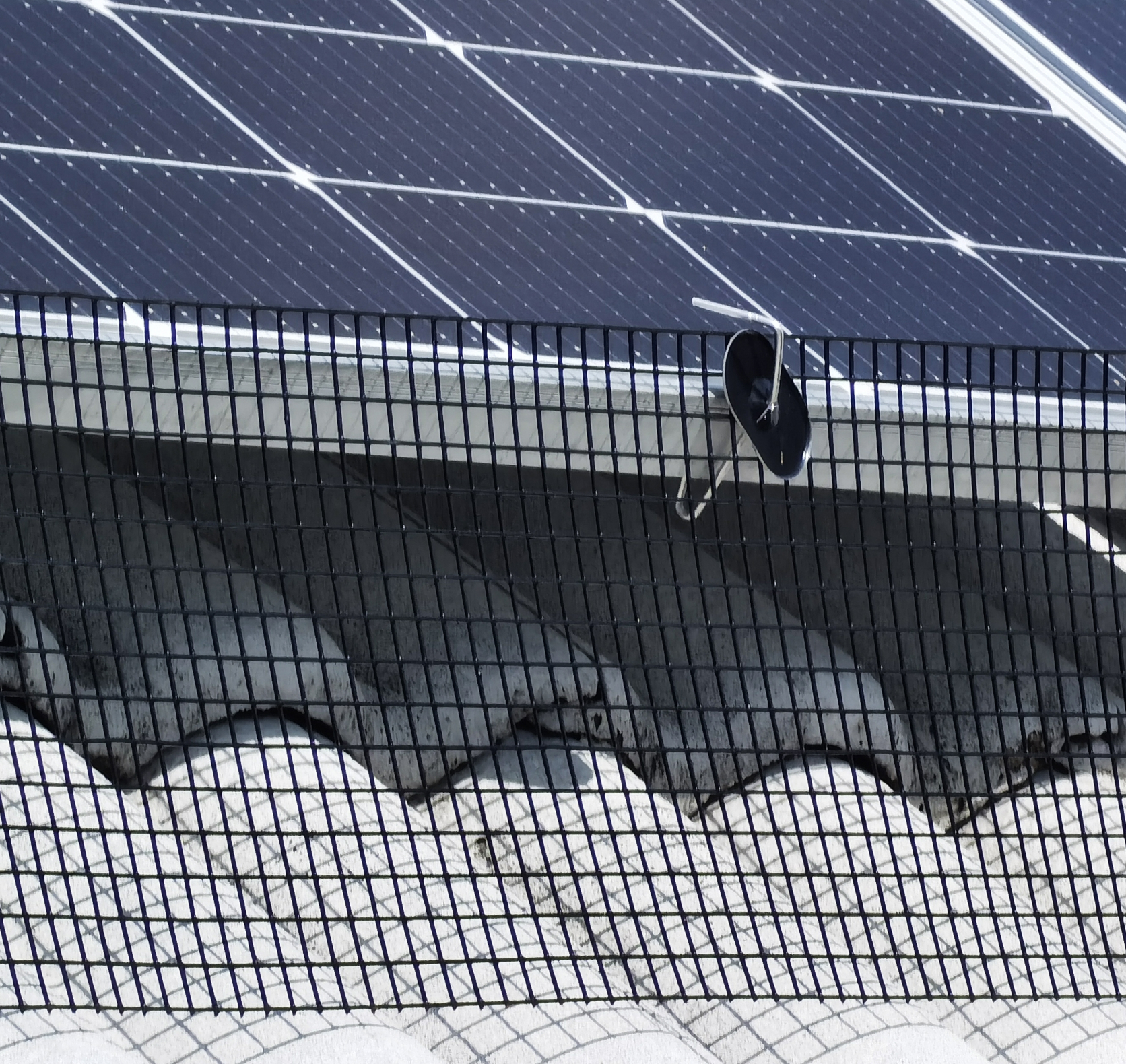
The warmth, protection, and height of solar panels makes them ideal nesting areas for birds. The mess caused by these birds (often pigeons) accumulates over time and can reduce the efficacy of your solar panels. In some cases, birds can also damage cabling beneath the panels. While this is uncommon, it can create safety risks if left unaddressed.
Included as standard
Because bird activity around solar panels is such a common issue, bird protection is included as standard with every installation we carry out. Installing protective mesh around the perimeter of the panels helps prevent birds from nesting underneath while allowing airflow around the system. By incorporating bird protection during installation, we help ensure your solar panels remain clean, safe, and operating efficiently for years to come.
Our Solar Panel Installation FAQs
How long does a solar panel installation take?
Most domestic solar panel installations can be completed within one to two days, depending on the size of the system and the complexity of the roof. Our team will carry out an initial survey before installation to ensure everything is planned properly. Bennett Solar is based in Northampton, allowing us to provide solar installations for homeowners across the Midlands and further afield.
Do solar panels work in the UK climate?
Most domestic solar panel installations can be completed within one to two days, depending on the size of the system and the complexity of the roof. Our team will carry out an initial survey before installation to ensure everything is planned properly. Bennett Solar is based in Northampton, allowing us to provide solar installations for homeowners across the Midlands and further afield.
Do I need planning permission to install solar panels?
Yes. Solar panels work effectively in the UK; they generate electricity from daylight rather than direct sunlight, meaning they continue producing energy even on cloudy days. While generation is highest during the summer months, modern solar systems still provide valuable energy savings throughout the year.
How many solar panels does a typical home need?
The number of panels required depends on your roof size, energy usage, and available roof orientation. A typical residential system might include 10–16 panels, although larger homes may benefit from larger systems. During our survey, Bennett Solar will assess your property and design a system that suits your energy needs and roof layout.
Will installing solar panels damage my roof?
No. When installed correctly, solar panels do not damage your roof. The mounting system attaches securely to roof rafters and tiles are carefully replaced after installation. Our experienced installers carry out solar panel installations for homes throughout Northampton, the Midlands, and across the UK, ensuring all work meets current safety and installation standards.
Can I add battery storage to my solar panels later?
Yes. Many homeowners choose to install solar panels first and add battery storage later. A battery allows you to store excess electricity generated during the day and use it in the evening or during periods of low sunlight. If you're interested in storing energy from your solar system, you can also explore our battery storage solutions designed for residential properties.